Guide · water filter minerals
Does a water filter also remove good minerals?
Many people fear that a water filter removes calcium and magnesium from tap water. That is not true for every water filter. A gravity filter in fact lets the good minerals through and removes only what really needs to go. A Reverse Osmosis water filter (RO system) does reduce these minerals, as well as contaminants. In this article you can read about the differences and what does and does not disappear from your water.
The short answer
No, for gravity water filters. Yes, for Reverse Osmosis (RO) systems.
How a gravity water filter works
A gravity water filter, with ceramic and/or carbon-containing elements, does not remove good minerals such as calcium and magnesium from your tap water. The outer filter layer holds back only contaminants that are larger than the pores. Bacteria, turbidity and rust, for example, stay behind as a result. The activated carbon layer underneath works through adsorption. With this, the filter binds chlorine, odour and taste substances and other contaminants. Good minerals are dissolved ions. They are much smaller than the filter pores and have no chemical affinity with the carbon. They simply flow through.
How a Reverse Osmosis (RO) water filter works
A Reverse Osmosis (RO) water filter works with a very fine membrane and removes a large part of the dissolved substances from the water. As a result, many unwanted substances can be greatly reduced, but at the same time naturally present minerals such as calcium and magnesium are also largely removed from the water.
What stays in your water
Calcium and magnesium stay in the filtered water with a gravity water filter. These minerals give the water a lovely taste and are essential for your body, but people naturally get most of them from food such as vegetables, nuts, dairy and whole grains. A water filter of course focuses mainly on removing what you do not want in your water: e.g. chlorine, heavy metals, PFAS, traces of pesticides and microplastics. If you still want to add minerals, that is certainly no problem. The filters supplied by Alternatievemiddelen.nl are not designed to extract minerals. On the contrary, they make the water taste better by removing chlorine and other unwanted substances, while the natural mineral composition remains intact.
In short. A gravity filter does not remove calcium or magnesium. The filter pores and the carbon hold back only contaminants that are larger or that bind chemically. Good minerals flow through, and contaminants such as chlorine, heavy metals, pesticides, medicine residues, PFAS, microplastics and chemicals are reduced. The technology in Reverse Osmosis (RO) systems works differently, which means good minerals do disappear.
From the shop
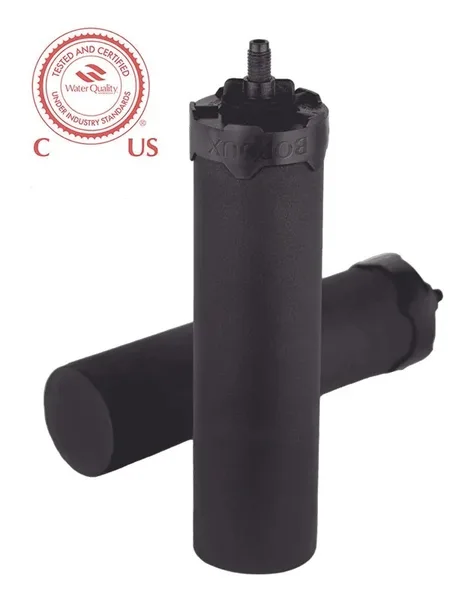
Berkey
BOROUX Foundation Black filter elements (2 pieces)
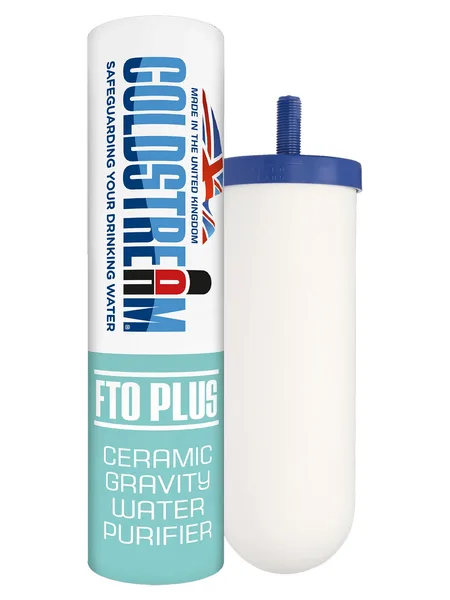
Coldstream
Coldstream FTO PLUS Water Filter Element
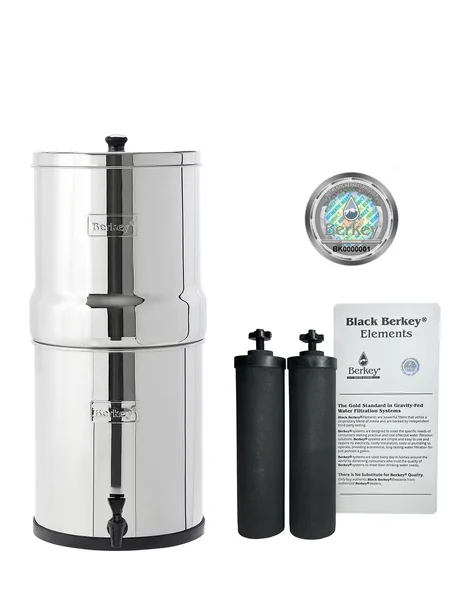
Berkey
Travel Berkey Water Filter 6L
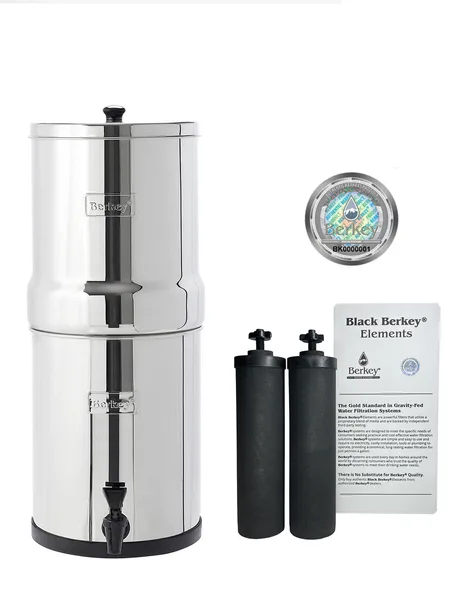
Berkey
Big Berkey Water Filter 8.5L
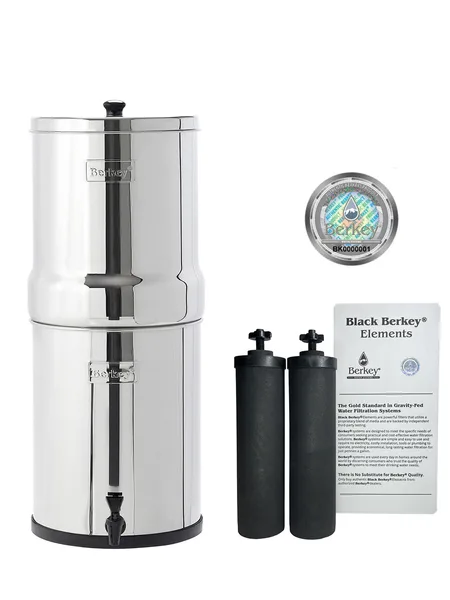
Berkey
Royal Berkey Water Filter 12.3L
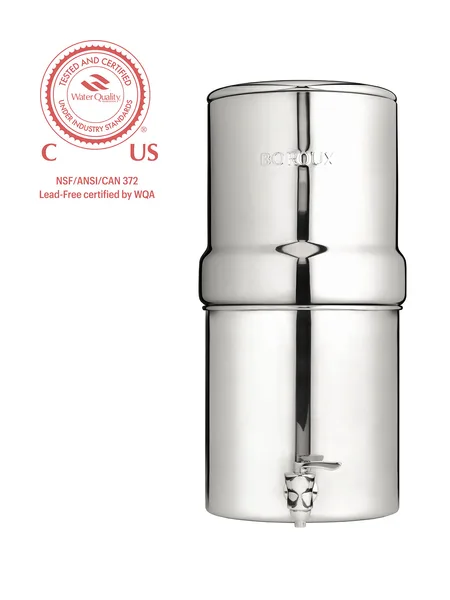
BOROUX
BOROUX Legacy Compact water filter 6.8L
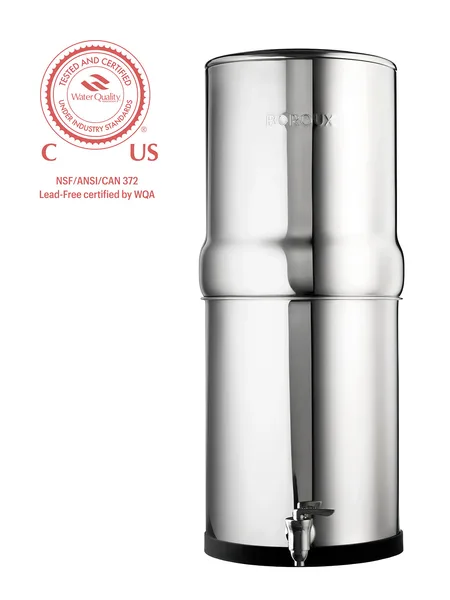
BOROUX
BOROUX Legacy water filter 11.4L
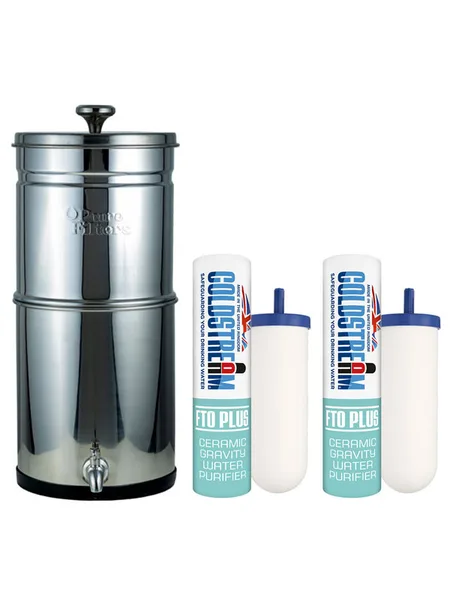
Pure Filters
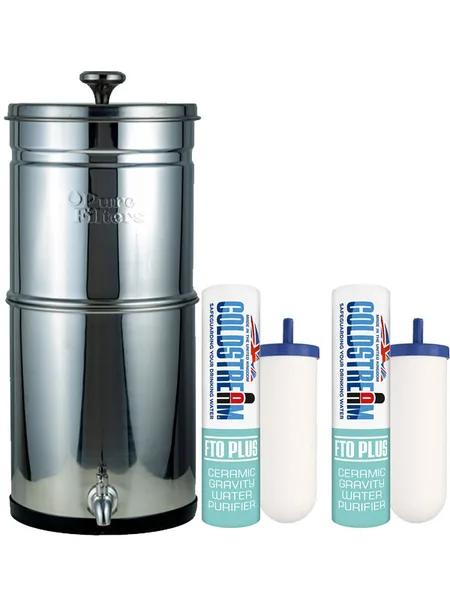
Pure Filters Voyager Water Filter 6L (incl. 2x Coldstream FTO PLUS filter elements)
Pure Filters
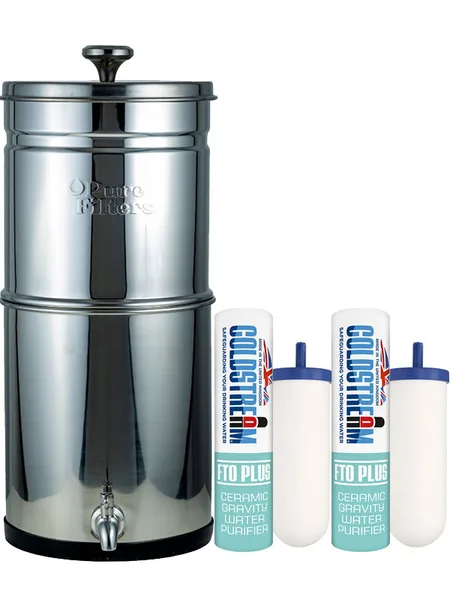
Pure Filters Home Water Filter 9L (incl. 2x Coldstream FTO PLUS filter elements)
Pure Filters
Pure Filters Family Water Filter 12L (incl. 2x Coldstream FTO PLUS filter elements)
Which water filter should you buy? | How does a gravity filter work? | PFAS in tap water