Guide · making rainwater drinkable
Making rainwater drinkable: how to filter it safely
Collecting rainwater is sustainable, but not immediately suitable for consumption. Find out which steps and filter elements are needed to make it safe for drinking, with measurable reduction percentages and practical tips for off-grid living.
Is rainwater directly drinkable?
Water that falls from the sky is clean in principle. As soon as it touches your roof, however, it picks up dust, bird droppings, leaves and residues of roofing material. That makes it unsuitable for direct drinking. For tiny houses, off-grid living or emergencies, controlled purification is therefore essential.
Step one: coarse filtering and first flush
Always start with a pre-filter or strainer. This catches leaves, twigs and coarse particles before the water enters your storage tank or filter system. Many roofs have grilles in their gutters that hold back such coarse parts. Tip: afterwards, let the water pass through a piece of old textile to hold back smaller particles. Or use another pre-filter. This protects your filter elements against clogging and extends their service life considerably.
Step two: thorough cleaning with a gravity filter
Rainwater can contain all kinds of contaminants, including traces of air pollution, such as PFAS, pesticides or heavy metals. Preferably use a gravity filter. These work without power and slowly press the water through a porous element. A good gravity filter in fact already captures these contaminants completely. In independent test reports, these elements often show reductions of between 90 and 99 per cent for specific contaminants, depending on the concentration and flow rate. Always check the element's specific test report for the exact reduction percentages per substance. And it is definitely advisable to use additional fluoride filters with water from sources other than tap water.
In most brands of gravity water filter systems the same filter elements can be fitted (so as far as filters are concerned, you are brand-independent in an existing gravity water filter). BOROUX is the successor to Berkey with the same formula for the filter elements, and Alternatievemiddelen.nl is the only dealer in Europe. The famous ProOne G2.0 element is also really called Coldstream FTO PLUS and comes from an English factory; Alternatievemiddelen.nl supplies it. As an example: British Berkefeld stopped selling through dealers, but existing systems simply carry on running on Coldstream FTO PLUS. These elements are extremely well suited to this step of rainwater purification.
Practical tips for storage and maintenance
- Preferably use dark, closed tanks to prevent algae growth.
- Clean your roof gutters at least twice a year.
- Rinse your filter elements regularly according to the instructions to maintain the flow rate.
- Replace elements in good time; a clogged or aged filter no longer works reliably.
In short. Rainwater is not directly drinkable because of contamination from the roof. A safe chain consists of coarse pre-filtering, then reduction via a gravity filter of, among other things, PFAS, pesticides, heavy metals and other contaminants. Certified elements show reductions of 90 to 99.9999% in public test reports for many commonly occurring contaminants.
From the shop
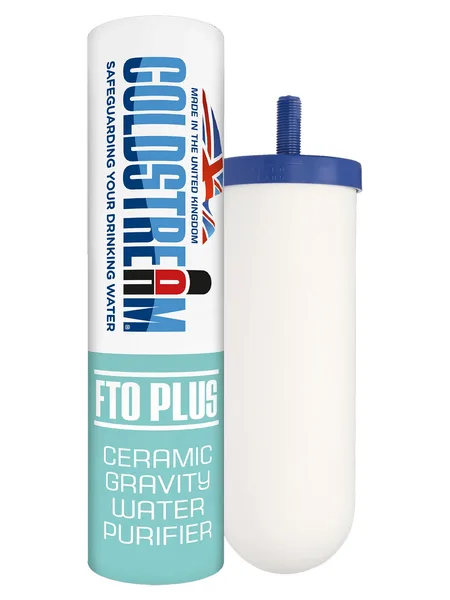
Coldstream
Coldstream FTO PLUS Water Filter Element
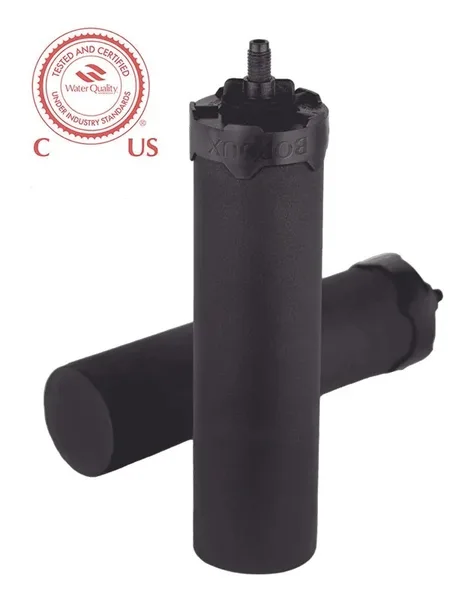
Berkey
BOROUX Foundation Black filter elements (2 pieces)
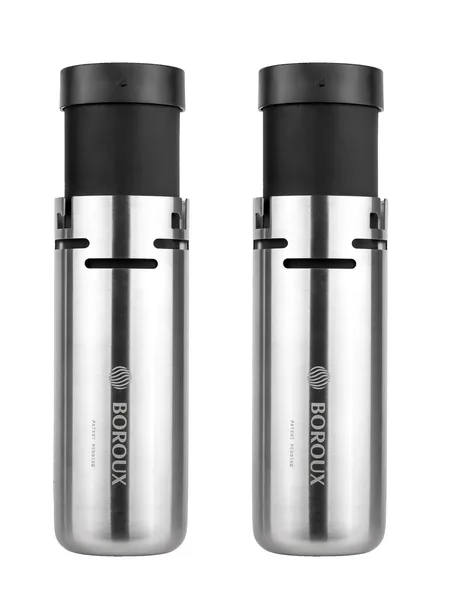
Berkey
BOROUX Proactive Fluoride filters (2 pieces) – Starter kit (2 filters + 2 stainless steel holders)
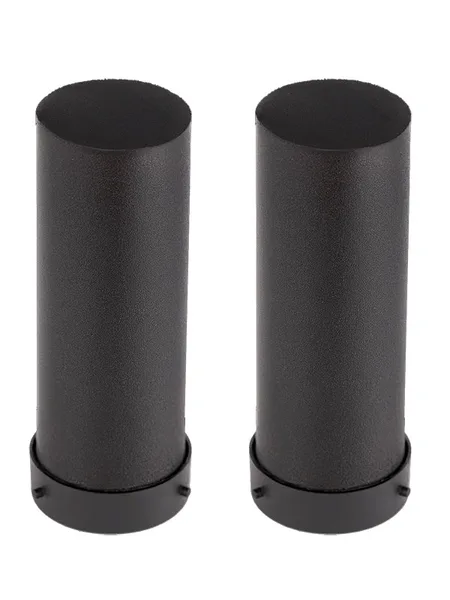
Berkey
BOROUX Proactive Fluoride filters (2 pieces, replacement filters)
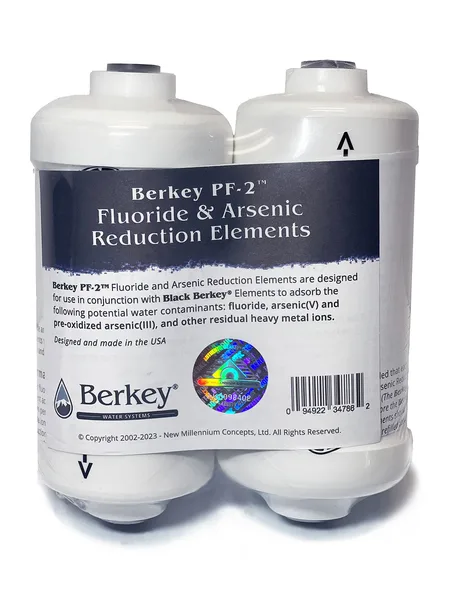
Berkey
Berkey Fluoride and Arsenic (PF-2) filter elements (2 pieces)
Water filter emergency kit · How does a gravity filter work · Replacing a filter element